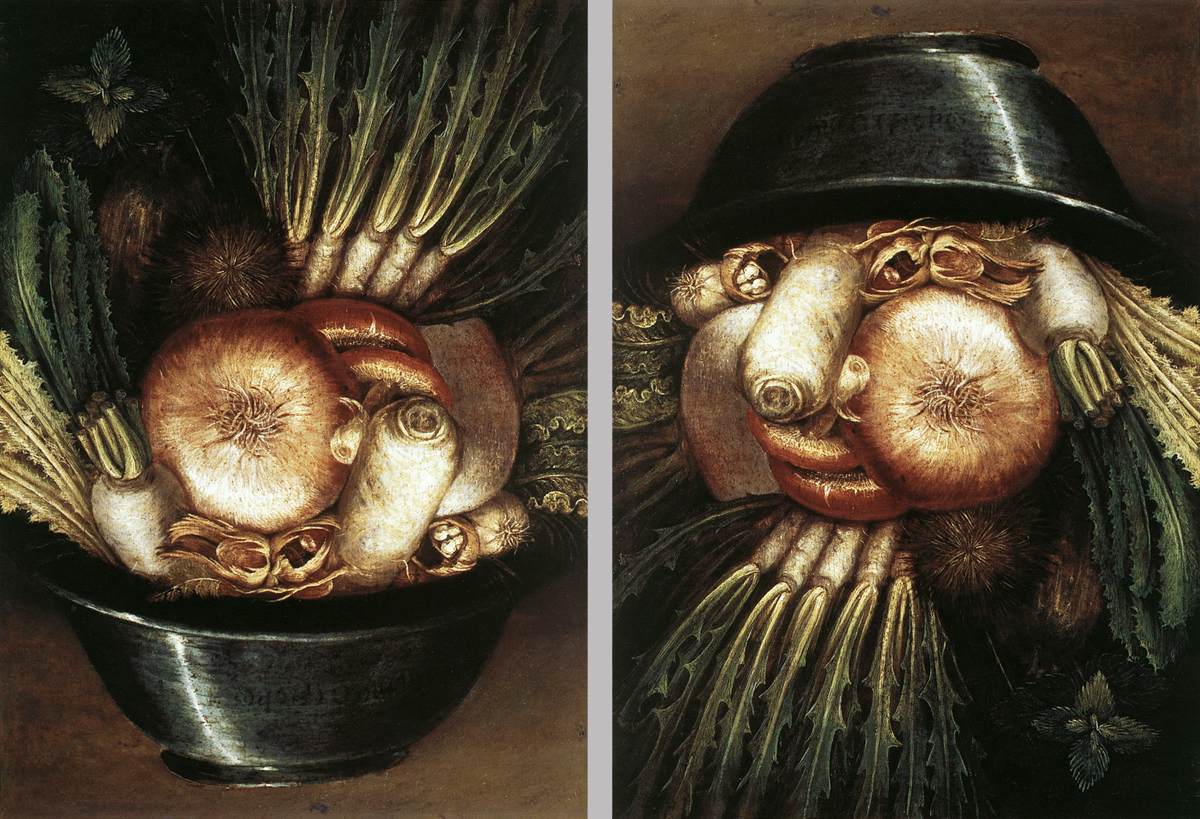
Giuseppe Arcimboldo, Vegetables in a Bowl, or The Gardener, c. 1590
Finnegan’s NurseryMarketplace

The Renaissance Edition

Finnegan’s
Nursery

Plants grown in small batches, and listed when they are ready.

Sold on Facebook Marketplace · Not open to visitors

After Arcimboldo, The Gardener, c. 1590. Turn the bowl, and the gardener appears.

I.

The Plants

De plantis: of the plants, their kinds and their readiness

Nothing here is listed before its time. Each kind is grown in a small batch, kept until it is rooted and settled, and only then offered on Marketplace. What follows is what the nursery grows: one remarkable tree, then the vegetables and the herbs. Prices and readiness live with the listings themselves.

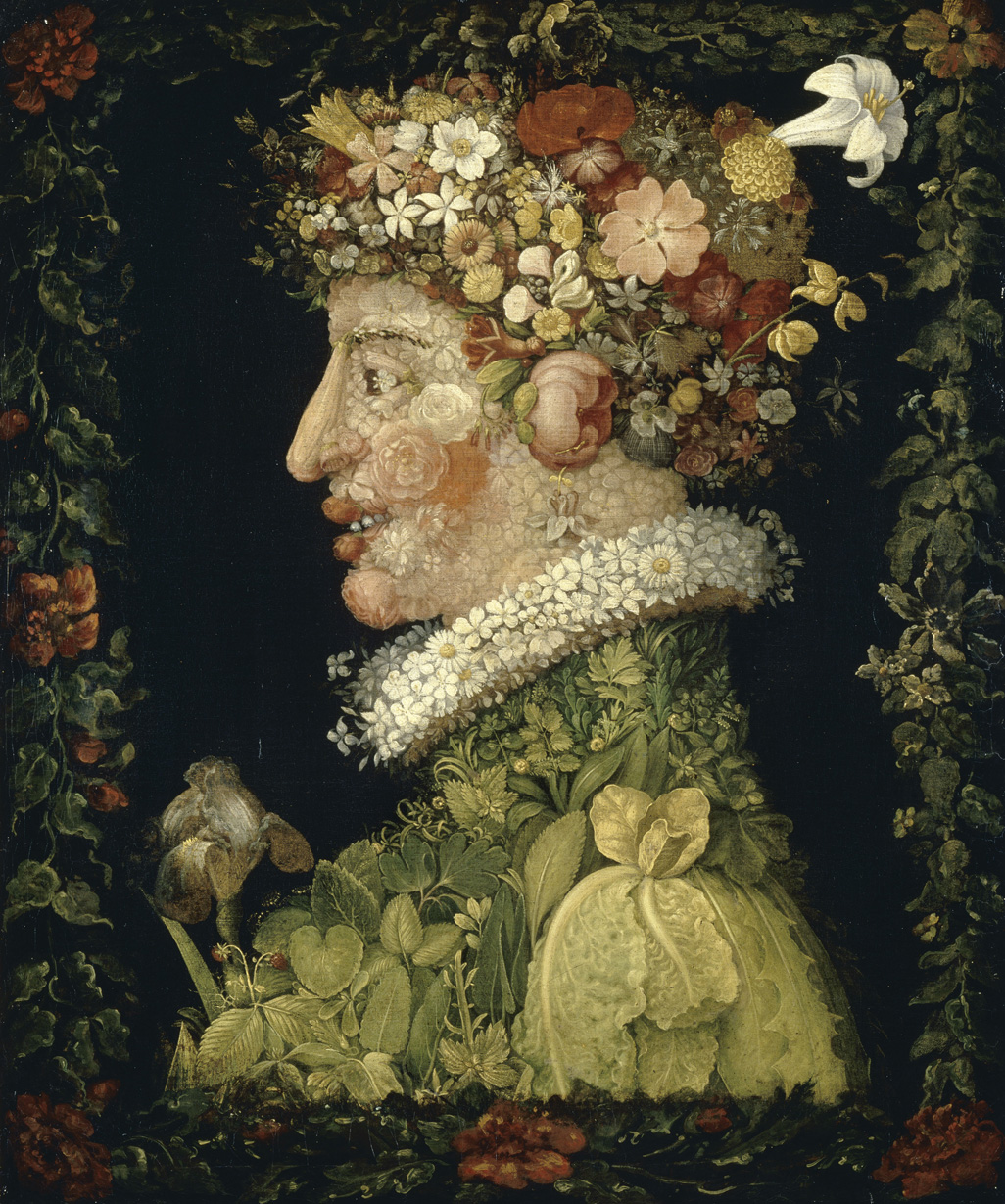
Giuseppe Arcimboldo, Spring, 1573, a face composed entirely of flowers and leaves
Giuseppe Arcimboldo, Spring, 1573. A face made of nothing but flowers, and nature assembled.
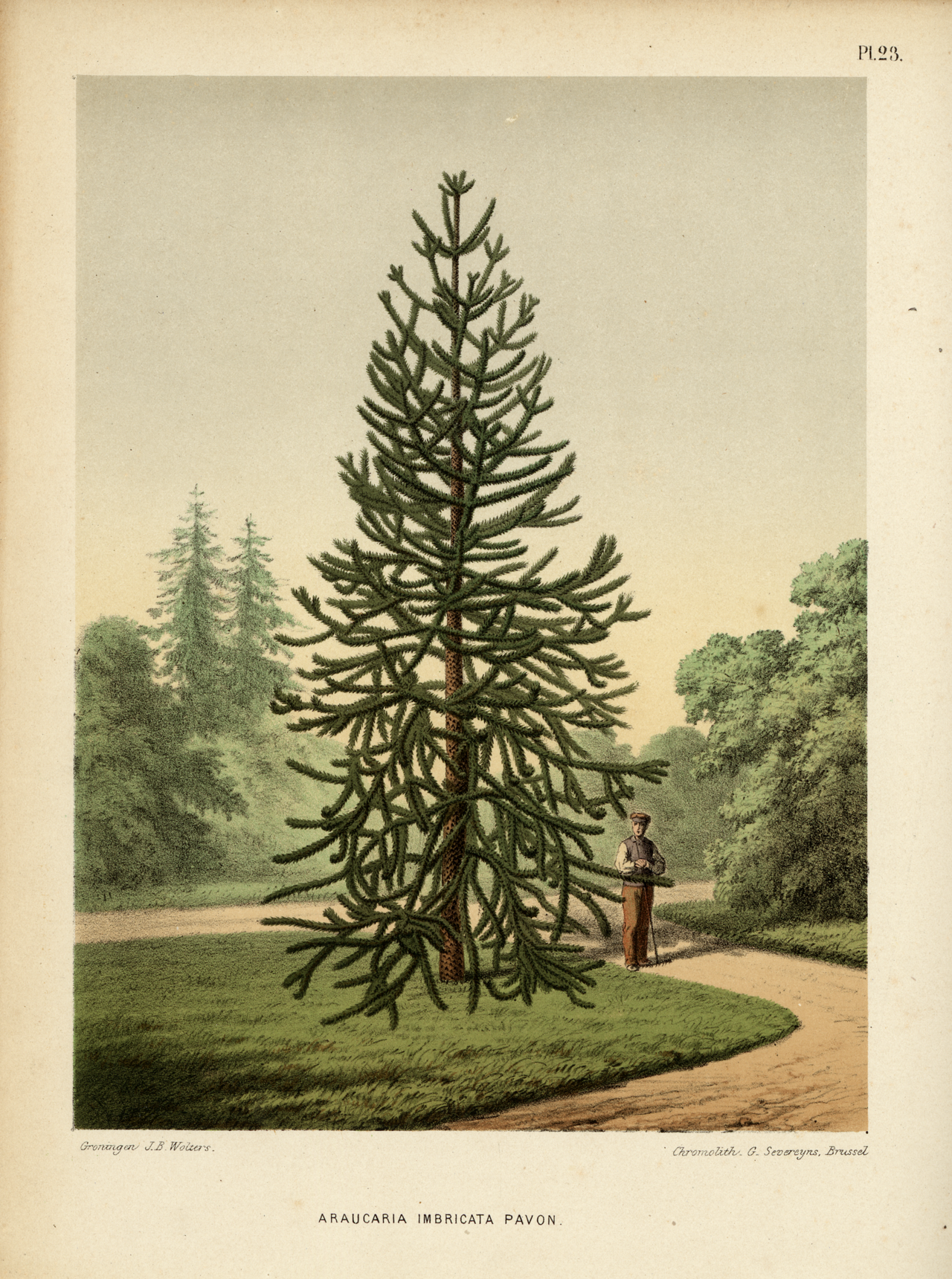
Araucaria araucana, the Monkey Puzzle tree, botanical plate from Flora, 1868
Araucaria imbricata, as the Monkey Puzzle was first named. Flora, 1868.

i. The featured tree

Monkey Puzzle Trees and Saplings

Araucaria araucana

The Monkey Puzzle is an ancient evergreen conifer from the Andes of Chile and Argentina, kin to trees that grew when dinosaurs walked the earth, and now endangered in the wild. Its branches are clothed in stiff triangular leaves with sharp tips, and it grows very slowly and lives very long. Ours are saplings: young trees at the very start of that long life.

This is not a plant for the impatient, and that is its charm. You plant a Monkey Puzzle for the pleasure of watching something rare take its time, and in the knowledge that it may stand for grandchildren and for theirs. Give it sun, room, and soil that stays moist and drains freely, and then give it years.

Origin
The Andes of Chile and Argentina
Kind
An evergreen conifer, endangered in the wild
Growth
About six metres in ten years, and slow thereafter
Life
Can live for more than a thousand years
Leaves
Stiff triangles with sharp tips, held for up to fifteen years
Trees
Most trees are male or female, each bearing one kind of cone, but now and then a tree carries both kinds of cone
Seeds
Mature female trees bear edible seeds, called piñones, after thirty to forty years
Place for it
Full sun and soil that stays moist and drains freely. Hardy in USDA zones 7 to 10

Saplings on Marketplace →Listed as each batch is ready
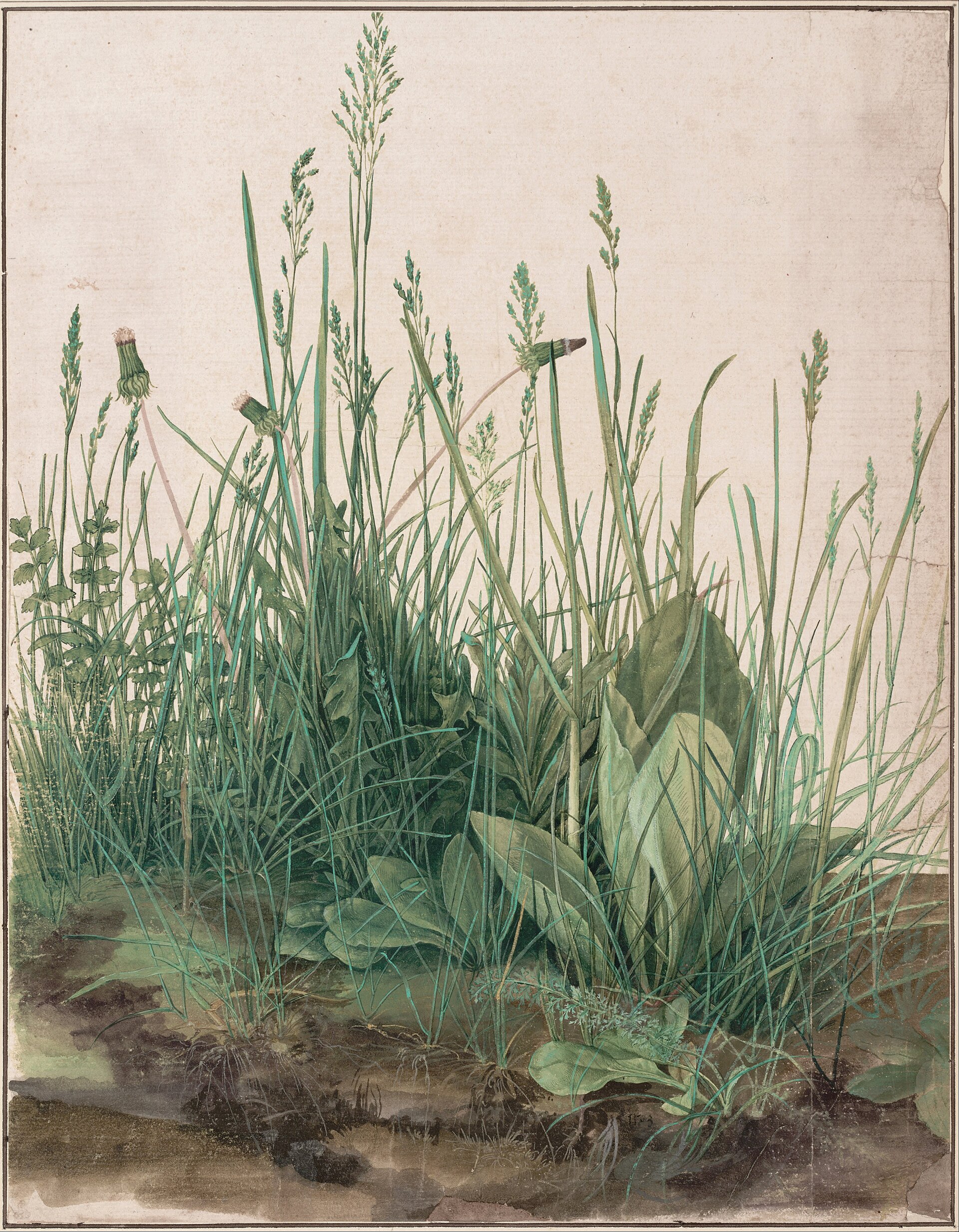
Albrecht Dürer, The Large Piece of Turf, 1503, a study of grasses and plants
Dürer, The Large Piece of Turf, 1503

Vegetables

Hortus: plants for the table, in their season

Vegetable plants and seedlings, grown here and listed on Marketplace as each kind comes ready in its season.

  • Green beansPhaseolus vulgaris
  • CabbageBrassica oleracea
  • PumpkinsCucurbita pepo
  • CucumbersCucumis sativus
  • Summer squashCucurbita pepo
  • RadishesRaphanus sativus
  • Jalapeño peppersCapsicum annuum
  • Thai hot peppersCapsicum annuum
  • LettuceLactuca sativa
On Marketplace →

Listed as they come ready

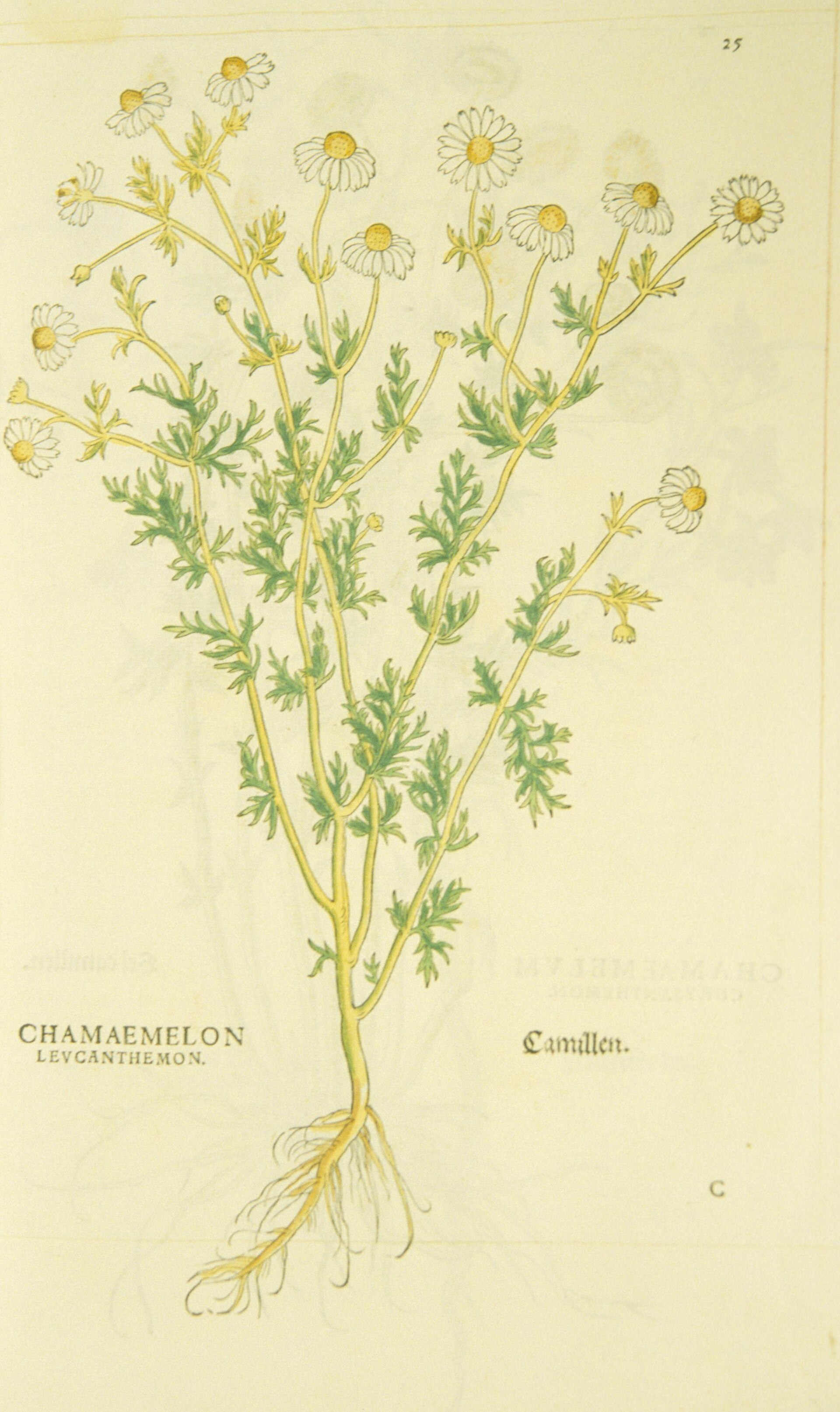
Chamomile, hand coloured woodcut from Leonhart Fuchs, De historia stirpium, 1542
Fuchs, De historia stirpium, 1542

Herbs

Herbae: for the kitchen and for the senses

Herbs begun from seed and grown on here, in small batches, and listed on Marketplace as they come ready.

  • DillAnethum graveolens
  • BasilOcimum basilicum
  • ParsleyPetroselinum crispum
  • GarlicAllium sativum
  • PeppermintMentha × piperita
  • Italian oreganoOriganum vulgare
On Marketplace →

Listed as they come ready

Artworks on this page: Arcimboldo and Dürer, and Fuchs, 1542, all public domain. The Monkey Puzzle plate is from Flora, 1868.

Finnegan, resting his head and looking at the camera
Finnegan, a black dog. The master, at rest.
II.

Finnegan

The master of the house, after whom all of this is named

Finnegan is the goodest boy. He is present for all of it: the sowing, the potting on, the watering, the long waiting in between. He inspects each tray as a master inspects a workshop, and he approves nothing that is not ready.

A Renaissance master had his patrons, his apprentices and his dog asleep in the corner of the studio. We have Finnegan. The nursery bears his name because, in every way that matters, it is conducted under his supervision.

Name
Finnegan
Office
Master of the nursery
Title
A very good puppy

Folklore of Britain and Ireland

The Black Dogs of Old Stories

Long before Finnegan took charge of the trays, storytellers in Britain and Ireland gave the roads at night to great black dogs. Tales name them at crossroads and in churchyards, along quiet lanes and beside old gates. Some were feared as omens. Others were thanked as guardians who saw a traveller safely home.

Black Shuck

East Anglia

Old tales send Black Shuck along the coast and lanes of Norfolk and Suffolk. In 1577 a pamphlet by Abraham Fleming told of a fearful black dog at Blythburgh church, and the story has been retold in East Anglia ever since.
The Barghest

Yorkshire and the north

The Barghest belongs to Yorkshire lanes and to the wild edges of northern towns. Some tellings made it a warning of death to come. Others kept it as a watchful presence on a dark road.
The Church Grim

Churchyards in England

The Church Grim is the guardian of the churchyard. Old lore set it at the gate to watch the ground and guard the church, a solemn dog whose work was protection rather than harm.
The Gytrash

Northern England

The Gytrash could take the shape of a horse or a great dog and wait on lonely roads. Charlotte Brontë knew the tale well enough to bring the Gytrash into Jane Eyre, published in 1847.
Moddey Dhoo

Isle of Man

At Peel Castle on the Isle of Man, soldiers once told of the Moddey Dhoo, a large black dog that came to sit in the guardroom as night fell. The guards learned to leave it in peace, and its fame grew with each retelling.
Irish tellings

Ireland

In Irish tellings the black dog often moves within a wider world of fairy hounds and the púca, a shape changing spirit that might lead a night traveller astray or, in kinder stories, bring no harm at all.

That double memory is the heart of the lore. A black dog in an old tale might mean danger, grief or a road best left until morning. The same figure might also mean company in a lonely place, a guard at a gate, and a faithful presence walking a traveller home. Fear and gratitude lived side by side in these stories, often in the same parish.

Finnegan needs no omen and makes no claim upon the dark. He is the goodest boy in plain daylight, a very good puppy who keeps his own watch over seed trays and young plants. If the old stories leave us anything useful, it is that simple hope: a loyal guardian nearby while good things grow.

III.

Buying

Of the manner in which plants here are sold

The nursery is not open to visitors, and no address is given. All plants are offered, in their season, upon Facebook Marketplace: the modern square, in place of the old one.

  1. I.

    Consult the listings

    Upon Marketplace are the plants themselves, with their prices and their readiness at that week.

  2. II.

    Write, by Messenger

    To reserve a plant, or to ask whether it will thrive in your light, write through Marketplace.

  3. III.

    Arrange the rest privately

    Collection is arranged in Messenger once a plant is reserved. None arrive unannounced.

Nursery Registration No.

REG NO. TO BE ADDED

Set down here, upon the first page, and upon every listing.

To Marketplace →